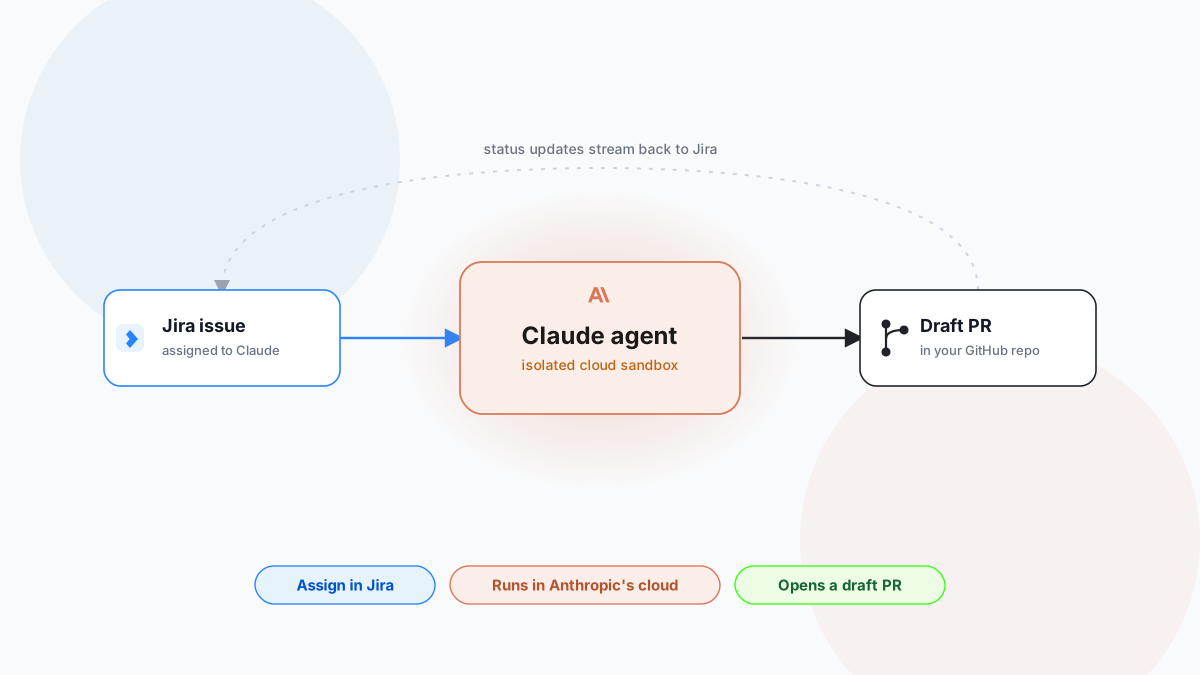
You open a Jira ticket, set the assignee to Claude, and a little while later a draft pull request shows up in your repository - written, branched, and ready for a human to read. That is the whole pitch of Claude Agent for Jira, the app Atlassian and Anthropic shipped in June 2026. The work item is the instruction, the pull request is the result, and everything in between runs on its own.
This is a look at how the flow actually works, what you need to turn it on, what it costs, and - the part that matters most - where you stay in the loop.
 Image: Atlassian.
What happens when you assign a ticket
Assigning an issue to Claude kicks off a sequence that mirrors what an engineer would do with the same ticket.
- It reads the work item directly - the summary, the acceptance criteria, and the linked repository.
- It clones that repository into an isolated sandbox running in Anthropic's cloud.
- It works through the codebase, then writes the change on its own branch.
- It pushes the branch and opens a draft pull request in your connected GitHub repository.
- It streams status updates back onto the Jira issue as it goes, so the ticket stays the one place you watch.
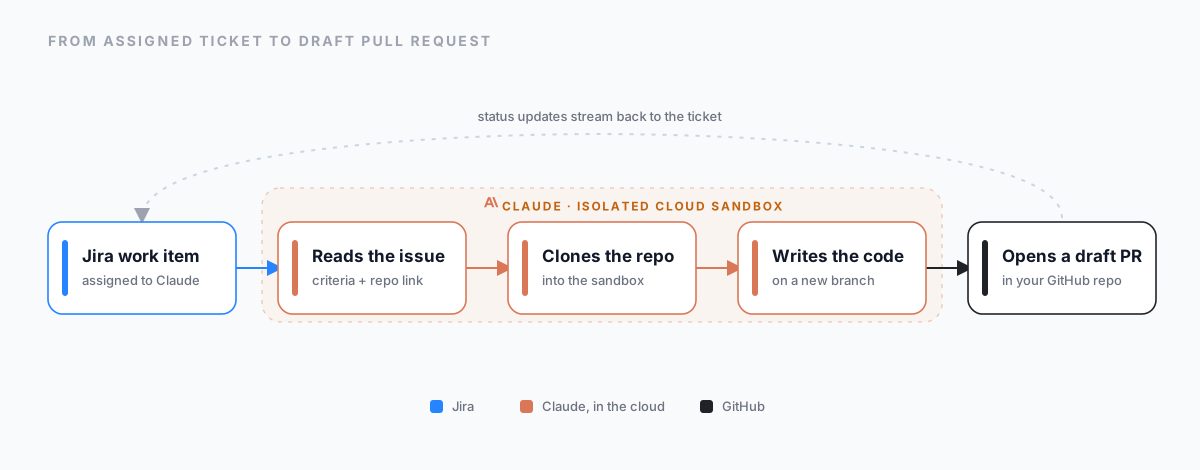
The important detail is the last link in that chain: what you get is a draft pull request, not a merge. Claude proposes a change in the place your team already reviews changes. It does not decide what ships.
Three ways to hand work to Claude
There is no separate tool to learn. You hand work over the same way you already hand it to a person.
- Set Claude as the assignee on an issue.
- Mention Claude in a comment when you want it to pick up a specific thread.
- Write an automation rule that assigns matching work to Claude on its own.
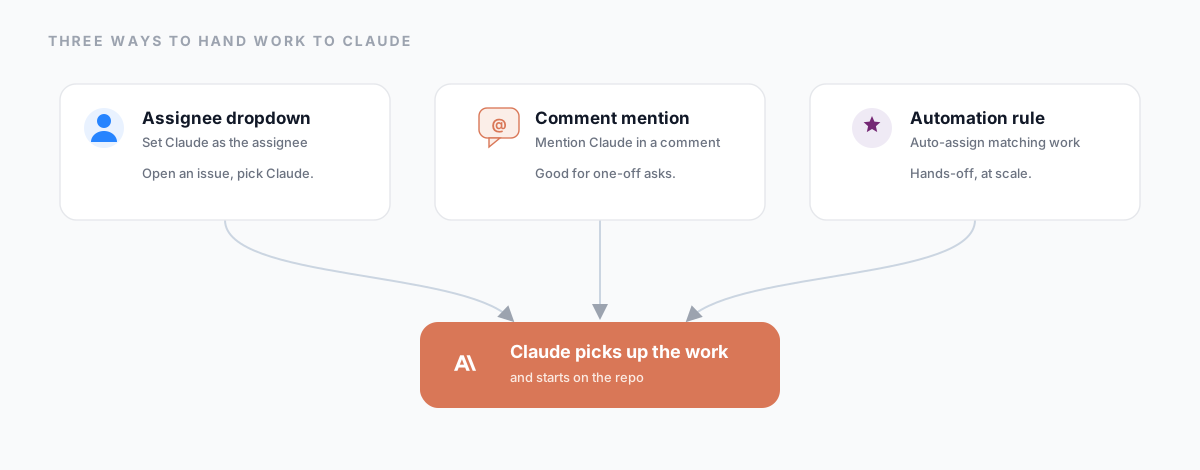
The automation route is where this stops being a party trick. Point a rule at a class of tickets that is a good fit - a label, a component, a queue - and the well-specified ones get a first draft without anyone assigning them by hand.
What you need to switch it on
Claude Agent for Jira installs from the Atlassian Marketplace, so the prerequisites are mostly about which Jira you run.
- A Jira Cloud site on the Standard, Premium, or Enterprise plan, with Rovo enabled. Rovo is Atlassian's agent layer, and this feature rides on it.
- A GitHub repository for the agent to work in.
- An Anthropic account to connect it to, and access granted to the repositories Claude should touch.
Once the app is installed you connect it to your Anthropic account and point it at the GitHub repositories it is allowed to work in. Atlassian's setup guide has the click-by-click; the shape of it is install the app, connect the two accounts, scope the repository access.
A sensible first move is to start on one low-stakes repository before you widen access. The GitHub access you grant is write access - it has to be, to push a branch and open a pull request - so treat that grant like any other CI credential and scope it tightly.
The agent runs in Anthropic's cloud, not on your laptop
Claude Agent for Jira is built on Claude Managed Agents, the infrastructure Anthropic uses to run cloud-hosted agents in long sessions. Each assignment spins up a sandboxed session: your repository is cloned in, the work happens there, and the sandbox is torn down when the session ends. Nothing runs on a developer's machine, and nobody has to sit and watch a terminal.
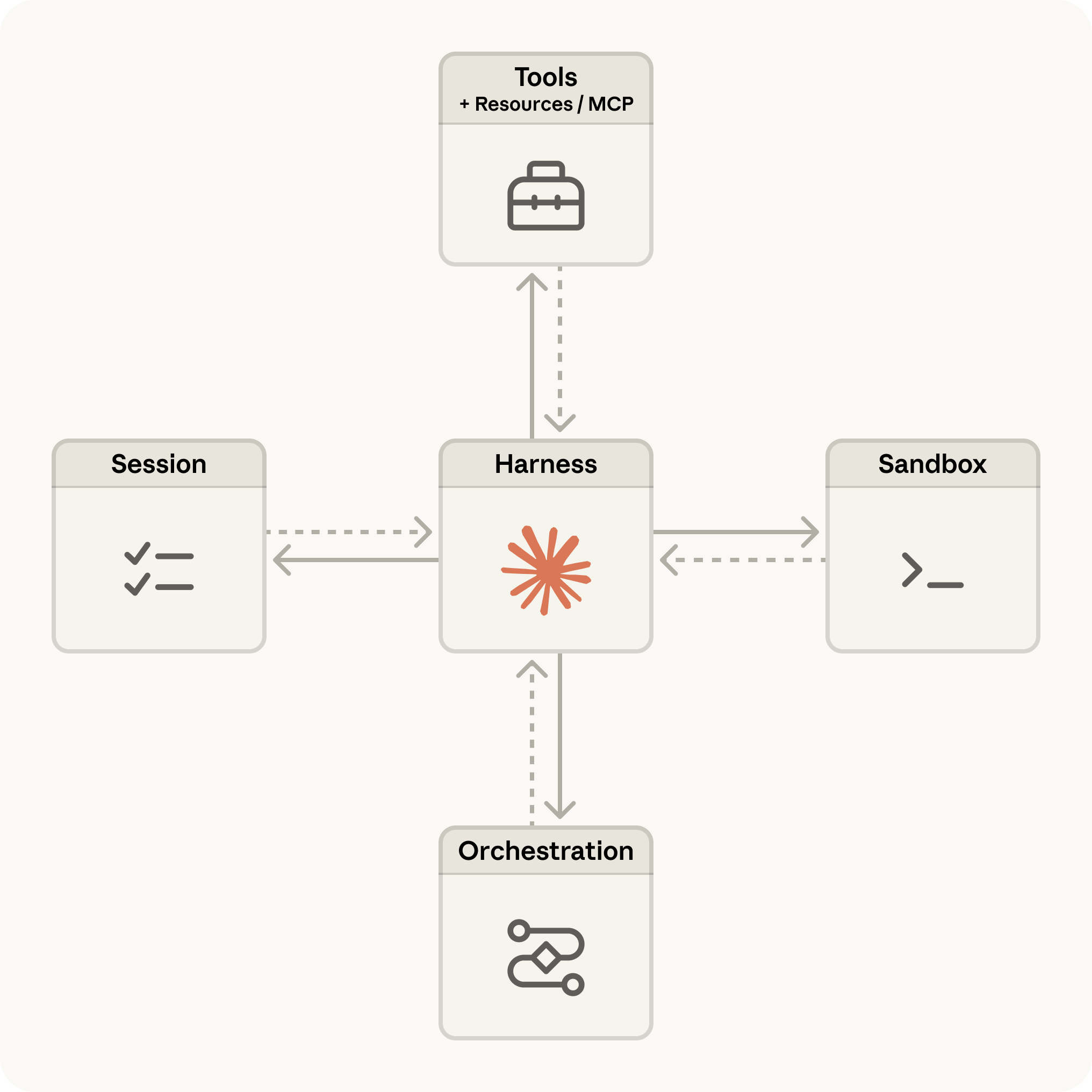 Image: Anthropic.
That is also why this can take on a real task rather than a one-line tweak. A managed session can run for a while, read across the codebase, and work through a change instead of answering in a single shot.
What it costs
There is no per-seat licence for the agent itself. The cost is the runtime it uses. Anthropic prices the underlying Managed Agents runtime at $0.08 per session-hour of active work, on top of standard Claude token rates for what the model reads and writes. A small ticket is cents; a large one costs more because it runs longer and reads more. You pay for work done, not for a seat that sits idle.
One practical consequence: every assignment starts a session, and a session that fails still ran. So this rewards clear, well-scoped tickets - the same thing that makes a human engineer faster - and it is not the place to fire off a dozen half-formed ideas to see what sticks.
You stay in control
The agent opens a draft pull request. It does not merge. Your engineering team keeps review, verification, and the final merge, exactly where those belong.
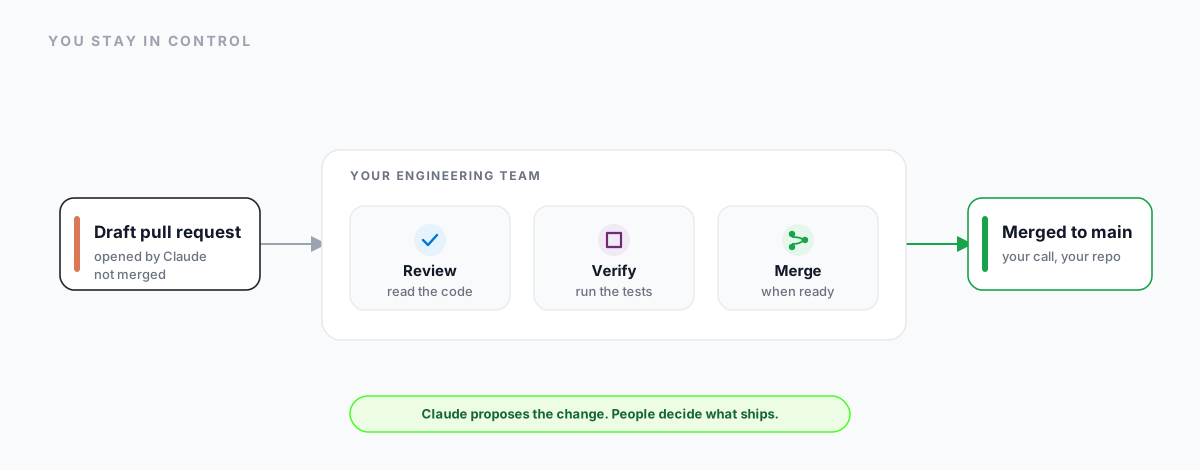
In practice that changes who writes the first draft, not who decides what ships. The pull request lands in your normal review flow: someone reads the diff, your CI runs the tests, and a person clicks merge when it is right. If the change is wrong, it is wrong in a draft pull request that never touched main - the cheapest possible place for it to be wrong.
A clear issue description does most of the work here. The agent builds from the acceptance criteria you write, so a vague ticket gets a vague attempt and a precise one gets a precise attempt. Garbage in, garbage out has not been repealed.
Where this fits
For a team already living in Jira, this closes a gap that used to need a person in the middle: the well-defined ticket someone has to pick up, branch, implement, and turn into a pull request. Routine fixes, small features, the long tail of "someone should really do this" work - that is the sweet spot, with a human reviewing every result.
It is worth being honest about the edge of it. This is strongest on clearly specified, self-contained work and weakest on the ambiguous, cross-cutting changes that need a conversation before any code is written. Used well, it takes the predictable work off your team's plate so they spend their time on the parts that need judgement.
The model underneath all of this is the same frontier generation we wrote about in Claude Fable 5: Anthropic opens its most powerful model to the public. Claude Agent for Jira is one of the first places that capability turns up as a normal part of the working day - assign a ticket, get a pull request, review it like any other.
Got a project in this space?
We build this kind of work for clients across the UK and beyond. Tell us what you’re planning and we’ll come back within one working day.
Send a brief